New York Radiant Snow Removal & Heated Driveways
Winter in New York City can make snow and ice a recurring problem for homeowners, businesses, and property managers. Snow accumulation, freezing temperatures, and repeated freeze-thaw conditions can leave driveways, walkways, entrances, and parking areas difficult to maintain. U.S. Floor Heating provides MeltMat technology to help manage these conditions with heating elements installed beneath the surface.
A Heated Driveway can reduce the need for shoveling, salting, and repeated plowing by warming the pavement when winter conditions require it. MeltMat can be designed for driveways, walkways, entrances, patios, and parking areas, with the heated area determined by the way the property is used.
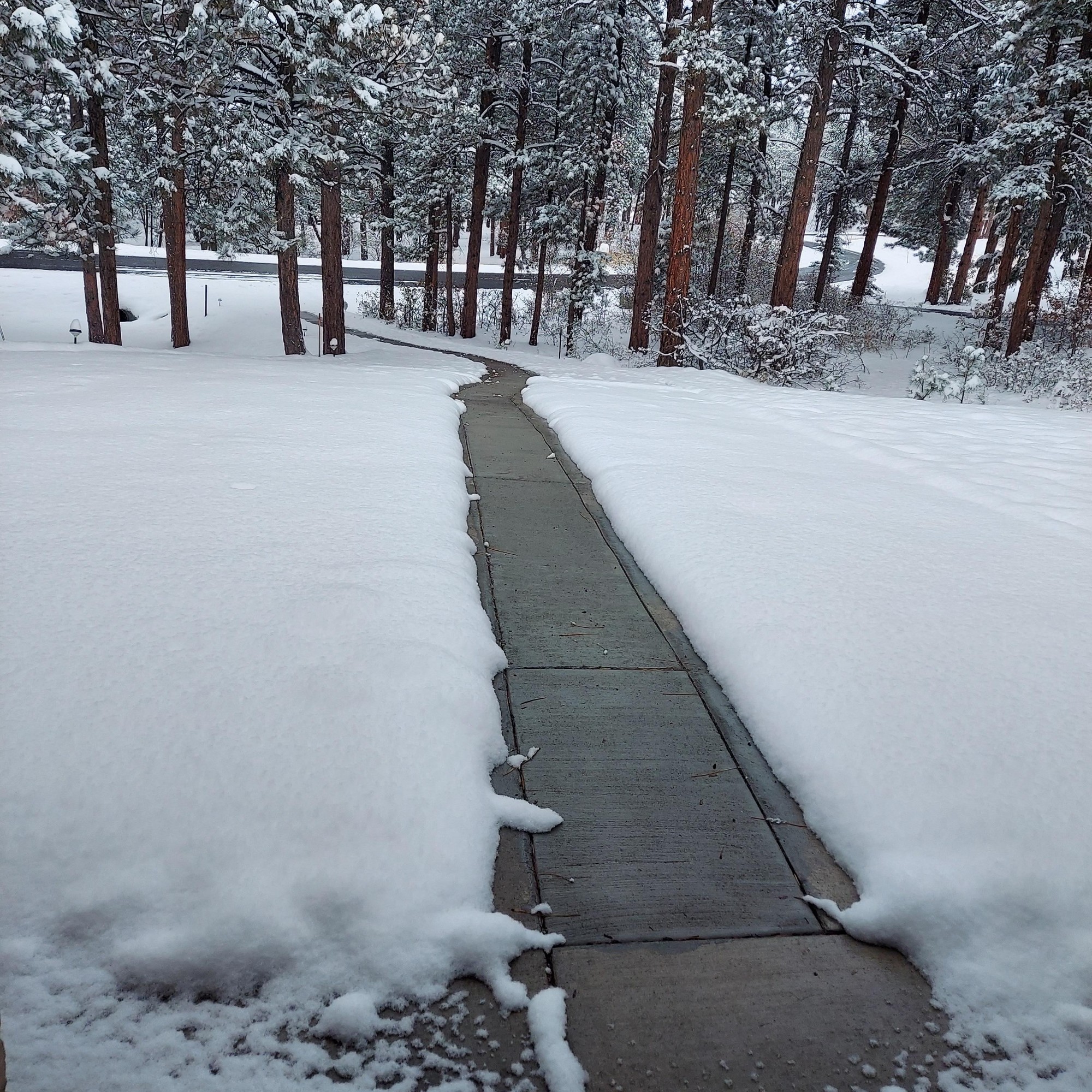
For properties throughout New York City, winter maintenance can become particularly inconvenient when snow begins accumulating during a busy workday or melts and refreezes as temperatures fall. MeltMat provides an automated approach to these conditions. Automatic Snow Melting can begin when the system detects the combination of moisture and temperature associated with snow or freezing precipitation.
The system can be designed for residential and commercial properties, allowing important vehicle and pedestrian areas to receive heating without necessarily requiring the entire property to be covered.
How a New York City Heated Driveway System Works
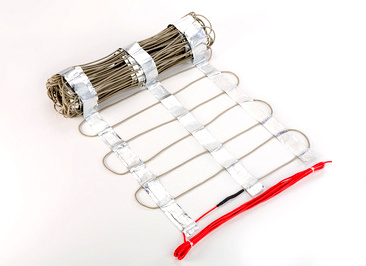
MeltMat uses specialized electric heating elements installed beneath the finished surface. When the system detects appropriate conditions, the heating elements warm the pavement from below, allowing snow to melt as it accumulates and helping limit the formation of ice.
A Snow Melting Sensor can monitor moisture and temperature and communicate with the system controls. This allows the system to respond to changing winter conditions without requiring the property owner to manually monitor every snowfall.
The design begins with the area that needs to be heated. A property can use full coverage across the driveway or concentrate heating along vehicle wheel tracks. Limiting the heated area can reduce the amount of heating material required while maintaining the sections of the driveway that are most important for vehicle access.

Planning a New or Existing Driveway Installation
A new Heated Driveway can be incorporated while concrete, asphalt, or pavers are being installed. The heating elements are positioned as part of the driveway construction before the finished surface is completed.
Existing driveways require additional evaluation before a retrofit is planned. The condition of the surface, base, grading, and drainage should all be considered. A driveway experiencing settling or heaving may require corrective work before the heating system is installed. Meltwater also needs a path away from the heated area so it does not collect and refreeze.
Underground utilities and nearby tree roots should be identified before work begins. Utility locating is an important part of preparing an existing property for installation.
Electrical Requirements and System Controls
Electric snow-melt systems can require substantial electrical capacity. The property's electrical panel should be evaluated before installation, and a dedicated circuit may be necessary depending on the size and design of the system. Ground-fault protection should also be addressed as part of the electrical plan.
The controller and sensor should be positioned where they remain accessible while being suitable for outdoor conditions. Once installation is complete, the controls can be calibrated and the system tested before winter.

Full Coverage, Wheel Tracks, and Walkways
Not every New York City property requires heat across the entire driveway. Full coverage provides consistent heating throughout the designated area, while wheel-track heating concentrates the system along the paths used by vehicles.
Walkways and entrances can also be included. This can help maintain access to frequently used pedestrian areas during storms and reduce the accumulation of packed snow and ice.
Radiant Snow Removal works from beneath the surface, addressing snow while it is accumulating rather than requiring the property owner to wait until a storm has ended before clearing the driveway. The system can also help reduce ice formation during freezing conditions.
For properties where space is limited or certain areas receive substantially more traffic, concentrating the heating system in those locations can provide a practical approach to winter maintenance.
Installation, Testing, and Maintenance
During installation, the heating system should be tested before the finished surface is installed. Electric systems can undergo resistance testing, while hydronic installations can be pressure-tested. After the surface has been completed and cured, the controller and sensor can be calibrated and the system can be run through a test cycle before the first snowfall.
The Heated Driveway Cost depends on the size of the heated area, surface conditions, installation requirements, electrical work, and system design. Choosing wheel-track coverage instead of full coverage can reduce the area requiring heating. The final design should account for how the property is actually used rather than automatically heating every available surface.
The condition of an existing driveway is also important when considering a retrofit. A stable base, appropriate grading, and effective drainage provide a better foundation for installation than a surface already experiencing significant structural or water-related problems.
Heated Driveway Service in New York City
U.S. Floor Heating can help property owners determine how MeltMat can be incorporated into a new construction project or an existing driveway. Whether the objective is easier vehicle access, reduced shoveling, or improved access around a home or business, the system can be designed around the property's requirements.
A Heated Driveway provides automated winter protection without requiring the property owner to manually monitor every snowfall. With properly planned coverage, suitable controls, and an appropriate installation method, MeltMat can make snow and ice management more manageable throughout the New York City winter.
Choosing a Heated Driveway also allows the system to be considered alongside the property's existing surface, electrical service, drainage, and preferred coverage area.
Have a question? Call (866) 537-8232 and we'll be happy to help.
Never fear another City State snowfall again!
New or Existing Driveway/Walkway Installation:
MeltMat will work with nearly any type of driveway/walkway, including: Tile, Concrete, Pavement, Blacktop, and more.
Embrace the Massachusetts winter and add value to your home.